Loading...
Serving Jurupa Valley, CA and surrounding areas. (951) 474-5722
Stone walls, steps, and borders that hold their shape through Inland Empire heat, clay soil movement, and seasonal rains - built right from the base up.
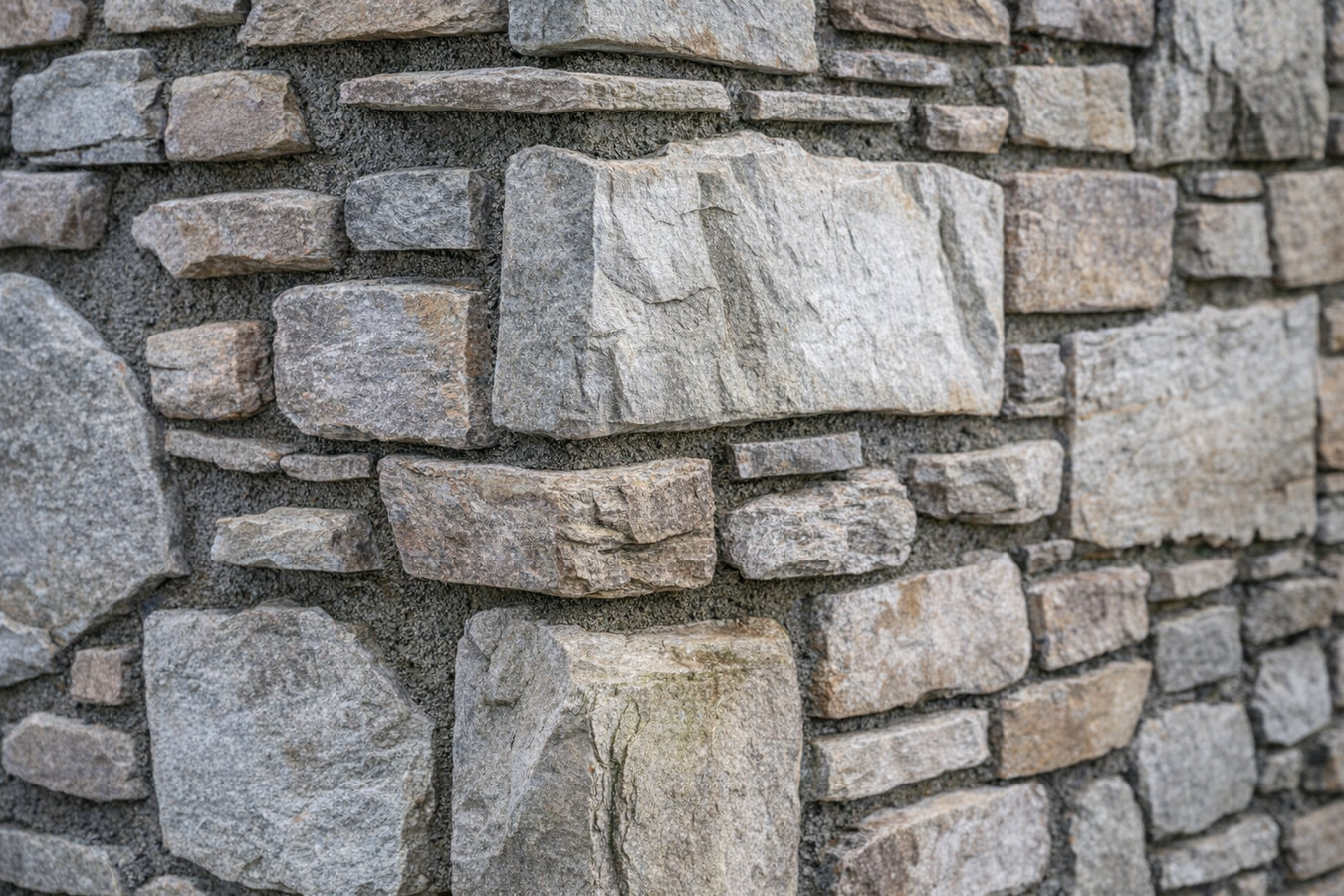
Stone masonry in Jurupa Valley covers building or repairing structures using natural or manufactured stone - including retaining walls, garden borders, steps, patios, and decorative veneers - with most small repairs or short garden walls completed in one to two days and larger structural projects running three to seven days depending on size and permit requirements.
Homeowners in Jurupa Valley often reach us when an existing wall or set of steps has started to shift after several wet-dry seasonal cycles. The clay-heavy soil in this part of the Inland Empire expands when it rains and shrinks when it bakes in summer - and that cycle tests any masonry structure that was not built with it in mind. If you have a stone feature that is starting to show cracks or movement, it is also worth considering whether brick pointing on adjacent sections would stop further water penetration while the primary repair is done.
Stone masonry holds its value in established residential neighborhoods better than almost any other outdoor material. It does not rot, warp, or fade in the sun, and when the mortar joints are maintained every couple of decades, a well-built stone structure routinely outlasts the homeowner who commissioned it.
A wall that tilts forward or shows cracks running diagonally through the stone or mortar is under stress it was not built to handle. In Jurupa Valley, the clay-heavy soil expands and contracts with seasonal rain and dry spells, which accelerates this movement. A leaning wall does not fix itself - the longer you wait, the more soil pressure builds behind it.
Run your finger along the joints on an older wall or step. If the mortar crumbles away, feels soft, or has gaps where it has fallen out entirely, water is already getting in. Once water gets behind stone, deterioration speeds up - especially during Jurupa Valley's occasional winter frost events, when trapped moisture can expand and push stones apart.
If a stone step rocks when you step on it, or your patio has developed a noticeable dip or rise, the base beneath has likely shifted. This is a safety issue as well as a cosmetic one - an uneven step is a trip hazard. In this area, soil movement from heat and occasional rain is a common cause, and the fix usually involves resetting stones on a properly prepared base.
If you have decided to reduce combustible materials around your home as part of fire preparedness, stone walls and borders are a natural replacement for wood. This is increasingly common in Jurupa Valley and surrounding Riverside County communities where fire risk awareness has grown. A masonry contractor can plan a stone feature that meets both aesthetic and safety goals.
We build and repair stone masonry structures from the base up - retaining walls, garden borders, raised beds, steps, pathways, and decorative veneers. Every project that involves structural work starts with a properly compacted base designed for local soil conditions, not a generic spec that ignores how Jurupa Valley ground actually behaves. We work with both natural stone and manufactured stone veneer depending on your budget, the look you want, and what the structure needs to do. For homeowners who want to compare stone against another durable option, stone veneer installation offers the appearance of natural stone at a lighter weight and often a lower installed cost - worth discussing at the same estimate visit if you are weighing your options.
Stone masonry is also one of the most practical choices for homeowners in Riverside County who are thinking about fire-resistant landscaping. Stone walls and hardscape do not burn, which makes them a direct replacement for wood fences, planters, and other combustible features. The Mason Contractors Association of America maintains technical resources on stone masonry standards if you want to dig into material specifications before your estimate visit.
Suits homeowners with sloped lots where seasonal soil movement and erosion need a permanent, structurally sound solution.
Suits homeowners redesigning outdoor space who want a durable stone edge that resists the Inland Empire's heat and UV exposure.
Suits homeowners who want safe, level access across uneven terrain with a natural look that holds up through years of use.
Suits homeowners updating a front entry, fireplace surround, or exterior wall with the texture and character of natural stone.
Jurupa Valley sits on some of the most demanding soil in Southern California for outdoor masonry. The clay-heavy ground throughout much of the city swells during the wet winter months and contracts sharply during the long, dry summer - sometimes shifting inches in a single year. That movement is the single biggest reason stone walls and steps develop cracks and lean over time here, and it is why base preparation and footing depth matter more in this part of the Inland Empire than they might in a coastal market with more stable ground. Homeowners in Riverside face similar soil conditions, and we serve that area regularly with the same approach.
The city also incorporates older communities like Rubidoux and Glen Avon where homes were built in the 1970s and 1980s, and stone or block structures from that era are now at the age where mortar joints commonly need attention and walls may need rebuilding from the footing up. At the same time, newer neighborhoods near the freeway corridors - including parts of Eastvale - have HOA requirements that govern what stone features look like and how tall they can be. We work in both contexts and can tell you what to expect before the project starts.
When you reach out, we will ask a few basic questions about the project and schedule a time to see the site in person. Most initial visits in the Jurupa Valley area happen within a few days to a week of first contact - we respond to all inquiries within one business day.
We walk the area, look at soil conditions, drainage, and access for materials, and assess whether a permit is needed. After the visit, you receive a written estimate that separates labor and materials - no single number you cannot evaluate.
If your project requires a permit - common for retaining walls over a certain height - we submit the application to the City of Jurupa Valley on your behalf. While that processes, we confirm the material order and prepare the site, including excavation and base compaction.
Stone is set in stages, with the base and each course checked for level before the next goes in. For permitted work, we coordinate the city inspection so you do not have to. Mortar needs 24 to 72 hours to cure before the structure bears full weight - we tell you exactly what to avoid during that window.
We visit the site, assess local soil and permit requirements, and give you a written estimate before any work begins. No pressure, no obligation.
(951) 474-5722Clay soil that swells in winter and shrinks in summer has shifted more than a few walls in this area. We excavate to stable ground below the active clay layer and compact the base before any stone goes in - the step that separates a wall that stays true for decades from one that starts leaning after a few wet seasons.
Jurupa Valley has its own Building and Safety Division, and we know its permit timelines and inspection requirements. We submit the application, track the status, and coordinate the inspector visit so you never have to navigate city paperwork on your own.
California requires a valid C-29 masonry license for jobs over $500 in combined labor and materials. You can verify any contractor's license in minutes on the California Contractors State License Board website. We carry active licensing, liability insurance, and workers' compensation coverage on every project.
Many Jurupa Valley subdivisions built in the 1990s and 2000s have HOA rules covering wall height, stone type, and finish. We have worked in enough of these neighborhoods to advise you on what is likely to get approved before a single stone is ordered, saving you from a costly redesign mid-project.
Those four factors - soil-specific base preparation, permit handling, active licensing, and HOA familiarity - are what separate a stone project that holds up for decades from one that starts causing problems within a few years. We bring all of them to every job in Jurupa Valley, whether it is a single set of steps or a full retaining wall along a property line. You can verify our California contractor license status at any time on the California Contractors State License Board website.
Restore worn or missing mortar joints on brick or block walls before water gets deeper into the structure.
Learn MoreAchieve the look of natural stone on walls, fireplaces, and entryways at a lighter weight and lower installed cost.
Learn MoreSpring books fast in the Inland Empire - reach out now to lock in your start date before the summer heat arrives.