Loading...
Serving Jurupa Valley, CA and surrounding areas. (951) 474-5722
Jurupa Valley Masonry and Concrete handles stone masonry, block walls, retaining walls, and driveway flatwork for homeowners across Corona - including hillside lots where drainage and soil movement require extra care. Free written estimates, no pressure, no surprises.
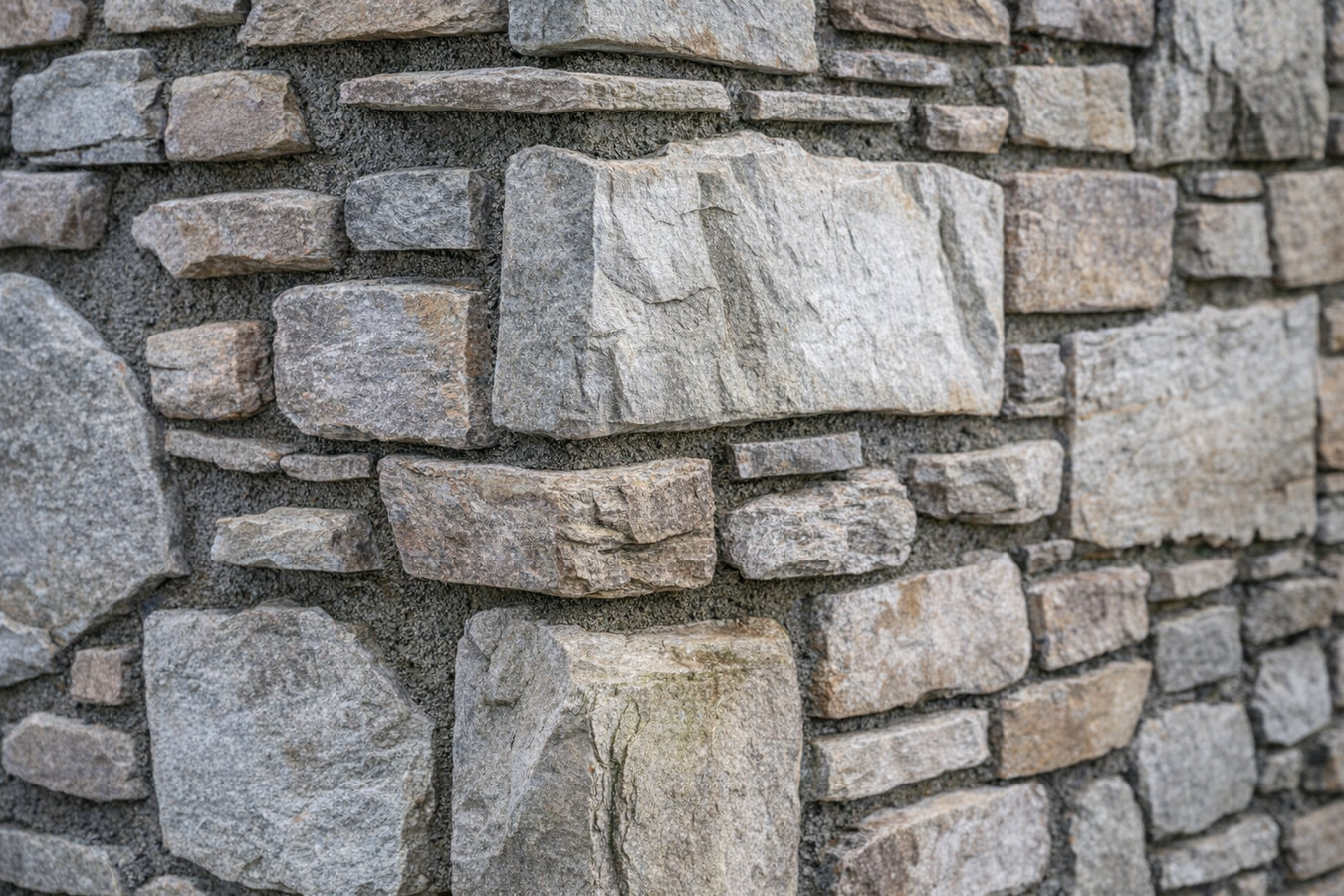
Corona homeowners have invested heavily in their properties, and stone masonry is one of the most durable and visually effective ways to add character to an entry, garden wall, or patio boundary. Our stone masonry work is fitted and mortared to handle the seasonal soil movement common on hillside and graded lots across the city.
Many Corona homes back up to hillside terrain or sit on graded lots where slopes need active support. A retaining wall built with proper footings and drainage prevents soil from migrating into driveways, patios, and foundations during the heavy winter rains that sometimes follow months of bone-dry weather.
Block privacy walls are standard on Corona residential lots, and walls from the 1980s and 1990s building boom are now showing the effects of clay soil movement and mortar age. We rebuild block walls to current seismic standards with rebar and grout fill for stability that matches what the city inspectors require.
The combination of triple-digit summer heat and occasional winter frost cycles degrades brick mortar joints and causes face spalling on planters, chimneys, and decorative walls throughout Corona. We match existing brick tone and mortar color closely so repairs do not stand out against the original work.
Stone veneer transforms a plain stucco column, garden wall, or exterior accent into a finished architectural feature. In Corona, where home values have climbed significantly and owners are invested in curb appeal, veneer installations are one of the highest-impact exterior upgrades available per dollar spent.
Concrete driveways on Corona lots with clay soils crack over time as the ground shifts through wet and dry cycles. Paver systems are a practical solution here - they flex with ground movement instead of cracking through it, and individual pavers can be replaced years later without demolishing the whole surface.
Corona sits at the boundary between Riverside and Orange counties, where the Santa Ana Mountains meet the Inland Empire flatlands. Many neighborhoods here back up directly to hillside terrain, and that geography creates drainage and soil movement challenges that flat-lot contractors are not always prepared for. Expansive clay soils throughout the city swell during the winter rainy season and shrink back during the long dry summer - a cycle that slowly shifts footings, opens mortar joints, and cracks concrete slabs from below. Hillside homes feel this more acutely because rainwater concentrates downslope and saturates the soil against lower retaining walls and foundations.
Most of Corona's housing stock was built between the early 1980s and the mid-2000s - putting the bulk of homes between 20 and 40 years old. That age range puts original concrete flatwork, block walls, and brick masonry right at the point where maintenance becomes repair. Santa Ana wind events in fall and early winter - which can gust past 60 miles per hour according to the National Weather Service in San Diego - strip caulking and sealants off exterior masonry, exposing aged mortar to the wet season that often follows. Homeowners who address small masonry problems in the fall typically avoid much larger repairs the following spring.
Our crew works throughout Corona regularly, and we understand the local conditions that affect masonry contractor work here. Permits for structural masonry in Corona run through the City of Corona Community Development Department, which handles building and safety review separately from Riverside County. We have submitted permits through this office and know what the local inspection process looks like for retaining wall, block fence, and masonry work.
Corona is a city of varied neighborhoods - the older streets closer to downtown near the 91 freeway have homes from the 1960s and 1970s with distinct masonry styles, while newer planned areas near Dos Lagos in south Corona were built in the 1990s and 2000s with more uniform stucco and block construction. Homes in the hills above the freeway on the western side of the city deal with steeper drainage challenges and in some cases require engineered retaining wall designs. We also work regularly in nearby Norco, just to the east, where large lots and older construction create similar masonry repair needs.
The area around Glen Ivy in the southern part of Corona, where the Santa Ana Mountains rise quickly from the valley floor, has some of the steepest residential lots we work on. Drainage from that terrain into adjacent yards is a genuine consideration for any masonry project near the hillside edge, and we account for it in our site assessment before writing the estimate.
Call us directly or submit an estimate request through the form on this page. We respond within one business day and can usually schedule a site visit the same week.
We assess the full scope, check drainage and soil conditions on hillside lots, and identify root causes rather than surface symptoms. You receive a written estimate with line-item pricing before we ask you to approve anything.
For permitted work, we file with the City of Corona and schedule the job once approval comes through. You do not need to be home during most work phases, and we leave the site clean at the end of each day.
We walk the finished work with you, explain cure times for mortar and concrete, and confirm when the area is ready for normal use. We stay available after the job if any question comes up.
We serve Corona, CA homeowners across every neighborhood - from the flat streets near the 91 to the hillside lots above it. Free written estimates, one-business-day response, and scheduling that fits your week.
(951) 474-5722Corona is a city of about 170,000 people sitting on the Riverside-Orange County line, just off the 91 freeway. Most residents moved here from Los Angeles or Orange County for more housing value, and that owner-occupant character shows in the neighborhoods - well-maintained streets, active HOAs, and homeowners who care about how their properties look. The city stretches from older downtown neighborhoods with homes dating to the 1950s and 1960s, through the 1980s and 1990s subdivision belt that forms the bulk of the city, and out to the newer planned areas in south Corona near Dos Lagos. Additional background on Corona, California is available through its Wikipedia entry.
The Santa Ana Mountains form the western edge of the city, and several neighborhoods back directly up to hillside terrain - which makes drainage, retaining walls, and slope-adjacent masonry work more complex here than in flatter parts of the Inland Empire. Glen Ivy Hot Springs at the base of the mountains is one of the most recognizable landmarks in the region and anchors a stretch of homes that deal with the steepest lots in Corona. We serve homeowners across all of Corona and also work in Moreno Valley to the northeast, where similar clay soil conditions and 1990s housing stock create comparable masonry needs.
Install a custom masonry fireplace that becomes your home's centerpiece.
Learn MoreAdd natural stone veneer for an elegant, lasting exterior finish.
Learn MoreInstall solid block wall foundations built to code and to last.
Learn MoreCreate a fully functional outdoor kitchen built from premium masonry.
Learn MoreCall today or submit an estimate request online. We serve all of Corona - flat lots, hillside lots, and everything in between - and respond within one business day.