Loading...
Serving Jurupa Valley, CA and surrounding areas. (951) 474-5722
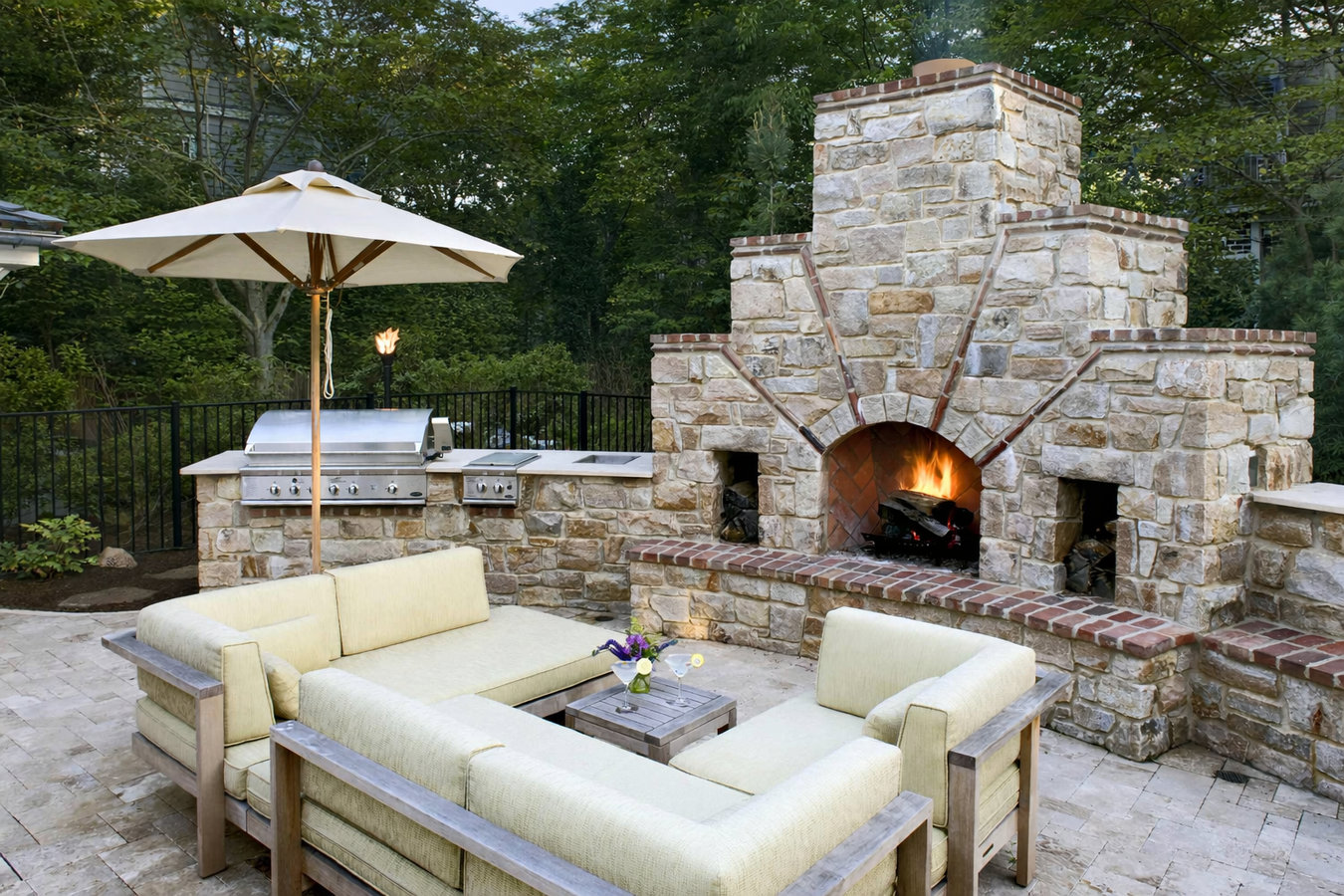
A freestanding grill is fine for occasional use, but Jurupa Valley gives you comfortable outdoor evenings from March through November. We build permanent masonry kitchens on reinforced footings - with permits pulled, HOA documentation ready, and materials chosen for the heat.
Outdoor kitchen masonry in Jurupa Valley means building a permanent structure from brick, natural stone, or concrete block - anchored to a reinforced concrete footing designed for local soil conditions, with permits pulled from the City of Jurupa Valley and inspections completed before you fire up the grill for the first time. Most projects run four to six weeks from contract signing to the first meal, with permit processing making up the first one to two weeks.
This is not a prefab kit. A masonry outdoor kitchen is custom built to your yard, your appliance layout, and your design - and it uses the same materials found in commercial construction. Those materials handle Jurupa Valley's 100-degree summers, hard water mineral buildup, and the clay soil movement that the Inland Empire is known for.
If you want the kitchen to coordinate with the rest of your yard, our stone veneer installation service can finish the exterior to match existing hardscape, planters, or the home itself.
If every cookout involves balancing plates on a folding table and hunting for a flat surface, you have outgrown a standalone grill. A built-in masonry kitchen provides dedicated counter space, storage, and a prep area right where you need it. This is the most common starting point for homeowners who decide to make the investment.
Freestanding grills and wood-framed outdoor kitchen kits do not hold up well to Jurupa Valley's intense summer sun and dry heat. If the frame is rusting, the wood is cracking or warping, or the whole structure feels less stable than it used to, that is a clear sign it is time to replace it with something permanent. Masonry does not rust, rot, or warp.
If you already have a masonry planter, retaining wall, or older outdoor kitchen and you can see cracks forming - especially diagonal cracks at the corners - that is a sign the foundation or soil underneath is moving. Jurupa Valley's expansive clay soils are a known cause of this. Catching it early is far less expensive than waiting until the structure needs to be torn out and rebuilt.
White or grayish deposits on brick and stone are called efflorescence - they form when water moves through masonry and leaves dissolved minerals behind as it evaporates. In Jurupa Valley this is more common than most areas because of the region's hard water supply. Left unaddressed, it can signal that water is getting into the structure and a mason should assess whether the issue is cosmetic or needs repair.
Most outdoor kitchen projects start with the simplest version of what a homeowner actually wants - usually a grill station with a concrete countertop and a few feet of prep space - and grow from there. We can also integrate pizza ovens, built-in refrigerator cutouts, bar seating overhangs, and sink stations. Every build starts with a reinforced concrete footing designed for your specific site. If your project involves hillside grading or raised patio work, our walkway construction team can coordinate on the surrounding hardscape at the same time.
Finish options include poured and sealed concrete countertops, natural stone veneer, brick, and standard concrete block painted or textured to match the home. For homeowners in newer Jurupa Valley HOA communities, we provide the design drawings and material specifications the association typically needs for board approval. And for homeowners who want their outdoor kitchen to connect visually with existing stone work on the property, our stone veneer installation service handles that coordination.
Suits homeowners who want a permanent, low-maintenance upgrade from a freestanding grill with a durable, sealed concrete countertop.
Ideal for homeowners who entertain regularly and want a complete outdoor prep and cooking area with multiple appliance cutouts.
For homeowners in HOA neighborhoods or those who want a finished exterior that coordinates with the existing home and hardscape.
Suits homeowners who want a built-in wood-fired or gas pizza oven incorporated into the main kitchen structure.
Three things make outdoor kitchen masonry in Jurupa Valley different from building the same structure in other parts of California. First, the clay soils. A significant portion of the western Inland Empire sits on soil that expands when it absorbs water and shrinks back during the long dry season - and that movement will crack any masonry structure that is not anchored to a footing deep enough to stay stable through the cycle. Second, the summer heat. Jurupa Valley regularly sees temperatures above 100 degrees from June through September, which changes how mortar and concrete cure and how quickly countertop sealers break down. Third, the HOA landscape. A large share of the neighborhoods built after 2000 in areas like Eastvale and throughout newer Jurupa Valley developments have design standards and approval processes that have to happen before a city permit can even be issued.
The long outdoor season here also makes the investment pay off faster than in most of the country. Homeowners in Corona and the broader Inland Empire have comfortable outdoor evenings from early spring through late fall - which means a well-designed outdoor kitchen is not a two-month-a-year luxury. It becomes the place where the family actually spends time. The water supply in this area also runs high in dissolved minerals, which means asking your mason about penetrating sealers is worth it before the countertop and stone surfaces are finished. You can review general permit requirements through the City of Jurupa Valley Building and Safety Division.
We start with a brief call to understand the size, appliances, and rough budget you have in mind. Then we visit the yard to measure, assess drainage, and review HOA requirements if your neighborhood has an association. You leave with a written, itemized estimate.
We pull the necessary permits from the City of Jurupa Valley's Building and Safety Division and can provide design documentation for HOA review. Permit processing typically takes one to two weeks - we build this into the project schedule from the start.
The first days of construction involve digging and pouring the reinforced concrete footing. This is the most important part of the job - a solid footing is what keeps the kitchen level as the soil moves through wet and dry seasons. The footing cures before we lay the first block.
With the footing set, we build the walls, frame the appliance openings, and install the countertop. This phase moves quickly and you will see the kitchen take shape. Rough openings for gas and electrical are framed so licensed trade contractors can finish their work.
After construction, a city inspector signs off on the structure and utility connections. We walk you through care instructions - especially for the first week while mortar and concrete cure - before handing over a kitchen that is ready to use.
We respond within 1 business day. No pressure, no obligation - just a written estimate with labor, materials, permit, and footing scope itemized separately.
(951) 474-5722We manage the permit application through the City of Jurupa Valley and provide the design documentation homeowners in HOA communities need for board review. You do not have to navigate two separate approval processes on your own.
We assess the ground at your specific site before pouring and size the reinforced concrete footing for the seasonal expansion and contraction that Inland Empire clay soils produce. This is what separates a kitchen that stays level for twenty years from one that starts cracking after the first rainy season.
Jurupa Valley's heat affects how mortar cures and how sealers hold up. We schedule work for early-morning hours during summer builds and specify sealers rated for intense UV exposure - so your countertops and stone surfaces look right years after installation.
The water supply in the Jurupa Valley area is high in dissolved minerals, which causes white efflorescence buildup on brick and stone surfaces. We apply penetrating sealers and walk you through a maintenance schedule before we leave - so the surface stays clean and the buildup stays minimal.
An outdoor kitchen is one of the more visible investments a homeowner makes in their property - it should look as good in ten years as it does the day the crew packs up. The combination of a properly designed footing, heat-appropriate materials, and correct sealing is what makes that possible in Jurupa Valley's climate.
Contractor licensing verified through the California Contractors State License Board. Hard water information for this area is available through the Jurupa Community Services District.
Masonry walkways and pathways that connect your outdoor kitchen to the rest of the yard and tie the hardscape together.
Learn MoreNatural or manufactured stone veneer applied to outdoor kitchen exteriors, planters, or accent walls for a finished look.
Learn MoreJurupa Valley's permit process takes one to two weeks - the sooner you reach out, the sooner your backyard is ready for the season.