Loading...
Serving Jurupa Valley, CA and surrounding areas. (951) 474-5722
Jurupa Valley Masonry and Concrete builds and repairs retaining walls, block fences, driveway flatwork, and brick masonry throughout Moreno Valley. Free estimates, written scopes, and scheduling that works around your week.
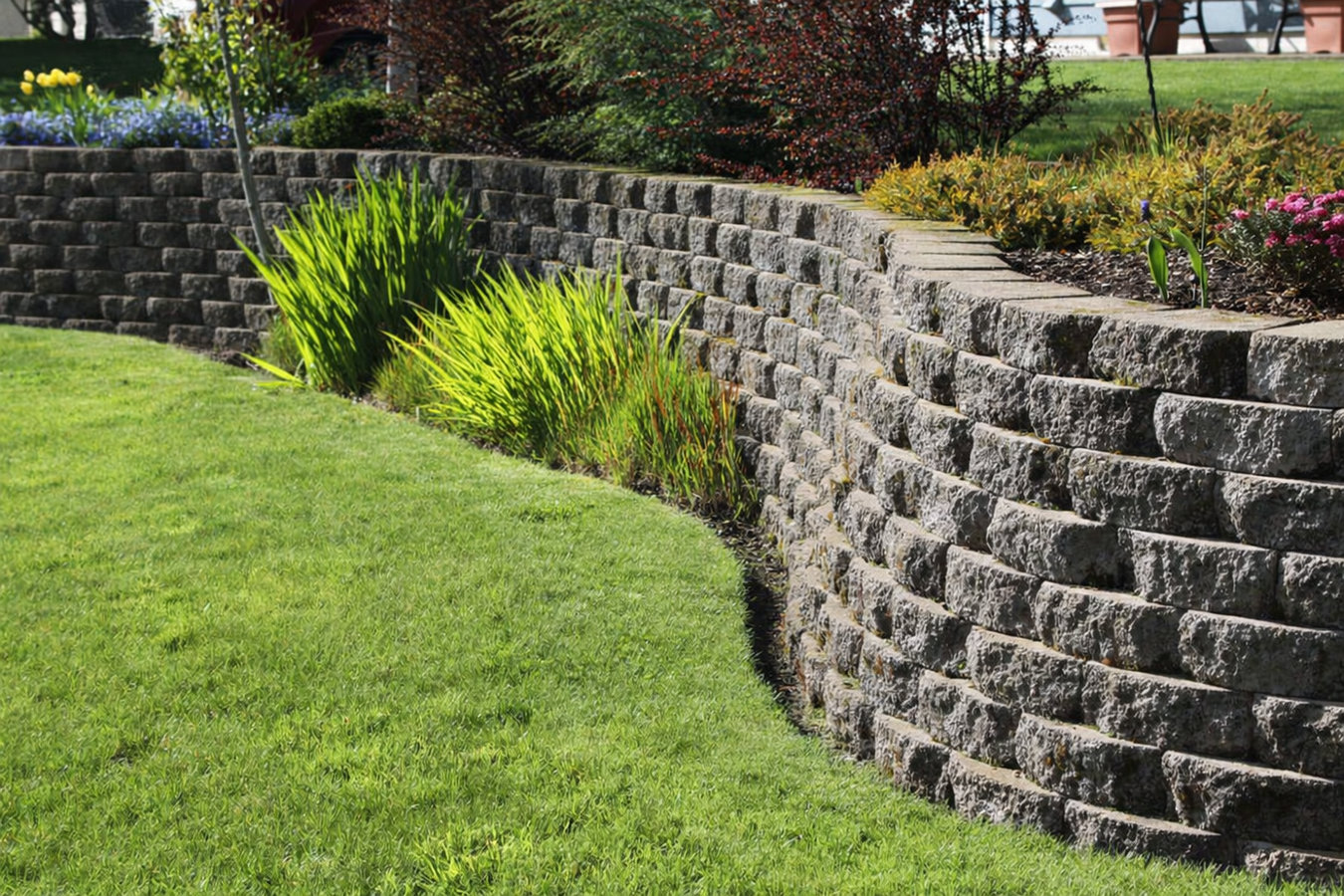
Moreno Valley's clay soils shift season after season, and slopes without proper support erode, crack driveways, and push soil against foundations. Our retaining wall construction work uses properly engineered footings and drainage to hold slopes securely through the wet and dry cycles this area throws at them.
Most single-family lots in Moreno Valley have block privacy walls, and many of the walls built in the 1980s and 1990s are showing cracks, lean, and mortar failure. We rebuild block walls to current Riverside County seismic standards with proper rebar and grout fill so they last another generation.
Moreno Valley summers push past 100 degrees Fahrenheit for weeks at a stretch, and that kind of sustained heat dries out mortar joints and causes brick faces to spall and flake. We match original brick tone and mortar color so repairs blend in rather than advertising themselves.
Homes built during Moreno Valley's rapid growth in the 1980s and 1990s were constructed on clay-heavy soils that have been moving ever since. Sticking doors, sloping floors, and diagonal cracks at window corners are early signs that the foundation has shifted and needs attention before the problem compounds.
Concrete driveways in Moreno Valley crack from the combination of clay soil movement and freeze-thaw cycles during the occasional winter frost nights. Paver systems flex with ground movement rather than crack through it, and individual pavers can be replaced without tearing out the whole driveway.
Moreno Valley's wide temperature swings between summer highs and winter nights accelerate mortar joint degradation on chimneys, block walls, and brick planters. Tuckpointing removes the crumbled mortar and replaces it with fresh material matched to the original, stopping water intrusion before it damages the masonry units themselves.
Moreno Valley sits at roughly 1,600 feet elevation in a valley that collects Inland Empire heat and experiences more dramatic temperature swings than coastal Southern California. Summer highs routinely exceed 100 degrees Fahrenheit, while winter nights occasionally drop below freezing. That freeze-thaw cycle - mild by most standards but real - cracks concrete and opens mortar joints, and the dry summer heat that follows bakes and widens those cracks before the next wet season arrives. For masonry built on clay soils that expand and contract with moisture, this climate creates more movement than most homeowners expect.
The bulk of Moreno Valley's housing stock was built between 1980 and 2005 during the city's rapid growth as an affordable alternative to Los Angeles and Orange County. That means most homes are between 20 and 45 years old, and a lot of the original concrete flatwork, block walls, and brick planters from that era are at or past their typical service life. Santa Ana wind events in fall can loosen caulking, strip sealants, and expose aged mortar joints to winter rain - each event is a small setback that compounds if deferred. Homeowners in Moreno Valley who address masonry issues early consistently spend less than those who wait until the damage is structural.
Our crew works throughout Moreno Valley regularly, and we understand the local conditions that affect masonry contractor work here. The City of Moreno Valley Building and Safety Division handles permits for structural masonry independently from Riverside County, so contractors who have only navigated the county process can run into delays. We have submitted permits to this office and know what the local inspectors look for on block wall and retaining wall jobs, which keeps your project on schedule.
Moreno Valley is a city of distinct neighborhoods - the older western areas near March Air Reserve Base have homes built in the 1960s through early 1980s on larger lots with mature trees, while the newer streets in the Rancho Belago area in the east were built in the 2000s and 2010s on more compact parcels with standard-height block fences. These two zones have different soil profiles and different construction eras, and the masonry approach for each reflects that. We also work regularly in Corona, where similar clay soil conditions and 1990s housing stock create the same patterns of cracking and settling we see across Moreno Valley.
If you are near Lake Perris State Recreation Area on the south side of the city, drainage from the hillside terrain into residential lots can accelerate soil movement around footings and slabs. We factor site-specific drainage into every estimate for jobs in that part of town.
Reach us by phone or through the estimate form on this page. We respond within one business day and can typically schedule an on-site visit within the same week.
We inspect the full area, check soil conditions, and look for root causes rather than just surface symptoms. You receive a written estimate with a clear scope and line-item pricing before any work is approved - no obligation.
For jobs that require a permit from the City of Moreno Valley, we file on your behalf and schedule work once approval is confirmed. You do not need to be home during most work phases, and we clean up completely each day.
We walk the completed work with you, explain the cure time for any mortar or concrete, and confirm when the area can return to normal use. We are reachable after the job if any question comes up.
We serve Moreno Valley, CA homeowners with written estimates, clear timelines, and no-pressure consultations. Call or fill out the form below and we will get back to you within one business day.
(951) 474-5722Moreno Valley is one of the largest cities in Riverside County, with a population of around 210,000 people spread across a valley ringed by the San Bernardino Mountains to the north and rolling hills to the south. The city grew rapidly in the 1980s and 1990s as families from Los Angeles and Orange County moved inland for more affordable housing, and that growth produced block after block of single-family tract homes - most of them stucco-exterior ranch and two-story styles on modest lots. Distinct neighborhoods include the older Sunnymead corridor near the city center, the western residential areas near March Air Reserve Base, and the newer planned community of Rancho Belago in the east, where homes built after 2000 sit on slightly larger parcels with more outdoor living space. More information about the city of Moreno Valley is available through its Wikipedia entry.
The city sits at about 1,600 feet elevation in the San Gorgonio Pass area, which means hotter summers and cooler winters than coastal Southern California - with occasional frost in January and February. Lake Perris State Recreation Area just south of the city is one of the most visited outdoor spots in the region, and the area around it has some of the most attractive residential streets in town. We serve homeowners across all of Moreno Valley and also work in Riverside to the west, where similar building stock and soil conditions make for comparable masonry needs.
Install a custom masonry fireplace that becomes your home's centerpiece.
Learn MoreAdd natural stone veneer for an elegant, lasting exterior finish.
Learn MoreInstall solid block wall foundations built to code and to last.
Learn MoreCreate a fully functional outdoor kitchen built from premium masonry.
Learn MoreCall us today or submit an estimate request online. We respond within one business day, and most Moreno Valley jobs can be scheduled within the same week.