Loading...
Serving Jurupa Valley, CA and surrounding areas. (951) 474-5722
Crumbling mortar, cracked block walls, and spalling brick don't fix themselves. We restore what can be saved - before the next rain makes it worse.
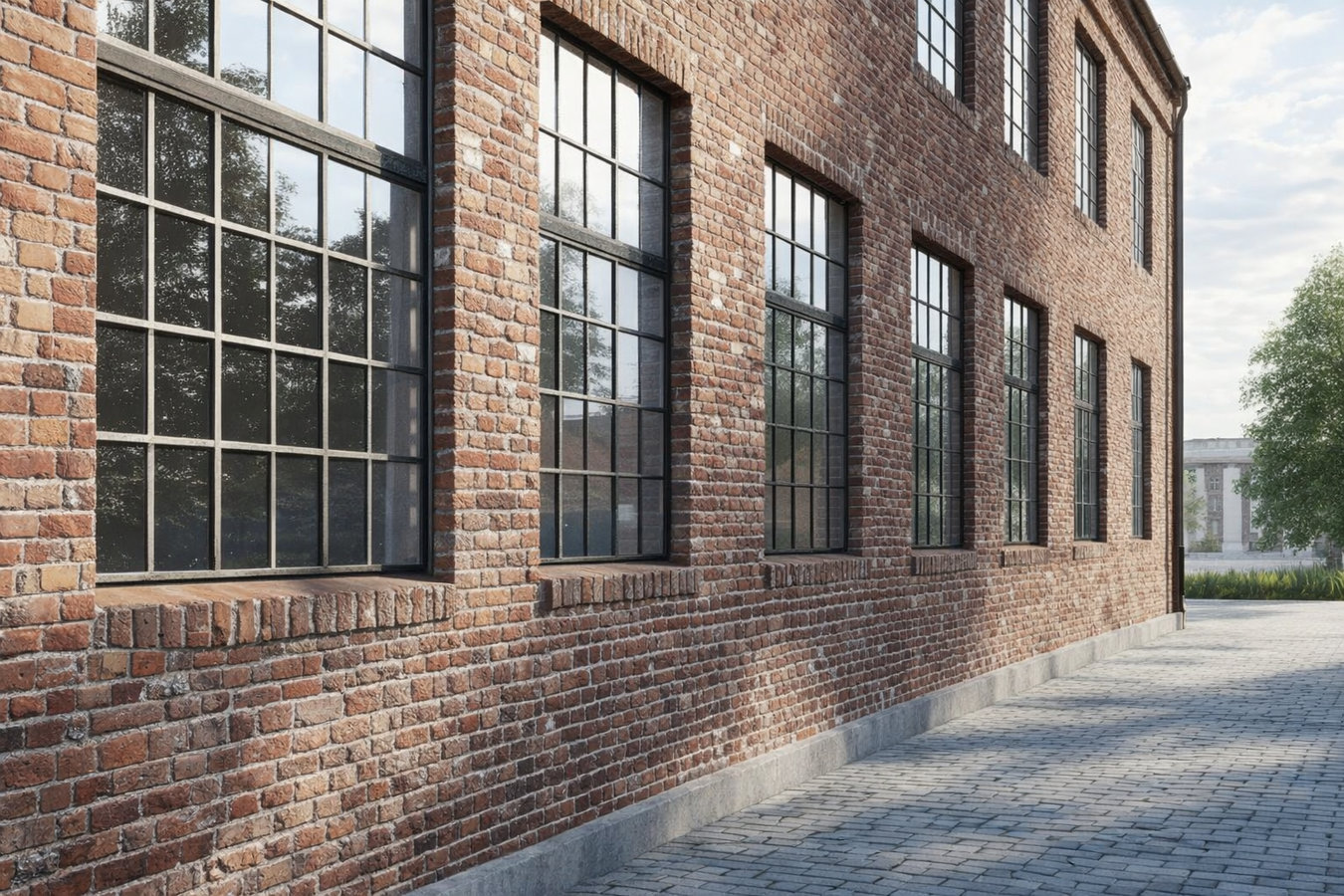
Masonry restoration in Jurupa Valley means repairing and stabilizing brick, block, or stone surfaces that have started to crack, crumble, or separate - most jobs take one to three days depending on the size of the area and how much prep work is needed.
The goal is to make the structure sound again and stop damage from spreading - not to tear everything out and start over. A skilled contractor identifies what can be saved, focuses work there, and keeps costs down while preserving the original look of your home. If your walls have been through several Jurupa Valley wet seasons, there is a good chance some of the mortar joints are overdue for attention.
Many homeowners call us after noticing damage that appeared or worsened after the first heavy rain of the season - which is exactly what happens when small cracks are left unattended through a dry summer. If the damage involves your chimney, our fireplace installation and chimney services address related work at the same time.
Walk close to your brick planters, block fence, or chimney and look at the joints between units. If the material is soft, sandy, pulling away, or missing in spots, the mortar has reached the end of its life. This is the most common reason Jurupa Valley homeowners call a masonry contractor, and it is almost always cheaper to address before water gets in.
If you noticed new cracks in a wall or planter after last winter's rains, that is worth taking seriously. Jurupa Valley's pattern of dry summers followed by heavy rain events means water finds its way into small openings and forces them wider. A crack that was a hairline in October and is now a quarter-inch wide in February is telling you something is actively wrong.
Stand back and look at your retaining wall from the side - it should be straight and vertical. If it is tilting away from the slope it holds back, or if you can see a bow in the face, the structure is under stress. The expansive clay soils common in this part of Riverside County are a frequent cause. A leaning wall can fail, and it needs a professional assessment before anything else.
That chalky white residue on brick or block walls is efflorescence - mineral salt that water carries to the surface as it evaporates. It is not dangerous on its own, but it is a reliable sign that water is moving through your wall in a way it should not be. In Jurupa Valley's climate, where irrigation runs frequently and rain events can be intense, this is a common early warning sign.
Most masonry restoration work falls into one of a few categories: repointing mortar joints that have crumbled away, repairing visible cracks in wall faces or planters, cleaning and sealing surfaces where water is moving through the masonry, and structural restoration work on retaining walls that have shifted or settled. We also handle stone masonry restoration for homes with natural stone features that need careful matching and repair.
Each project starts with a thorough assessment - not a quick glance from the driveway - because the right repair method depends on what is actually causing the damage. In Jurupa Valley, that often means understanding whether the ground beneath the wall is still moving before any material goes on. We also handle the permit process for any structural work that requires Riverside County review, so you do not have to figure that out yourself.
Best for brick planters, block fences, and chimneys where the joints are crumbling but the masonry units themselves are still sound.
Suits homeowners who have visible cracks in a wall or planter face and want them repaired before the next rainy season.
Right for walls with white mineral staining where the underlying cause needs to be addressed to prevent recurrence.
For walls that are structurally sound overall but have deteriorated sections, cracked caps, or drainage problems that need correcting.
Much of Jurupa Valley's residential development happened between the 1970s and 1990s, meaning many brick planters, block walls, and decorative masonry features are now 30 to 50 years old. Mortar from that era has a natural lifespan, and many of these structures are reaching the point where restoration is overdue. The Inland Empire's climate makes things harder - long dry summers cause masonry to contract and develop small cracks, then the first heavy atmospheric river event of the season drives water into those openings. It is a cycle that accelerates deterioration faster than in more temperate climates.
The clay-heavy soils throughout this part of Riverside County add another layer of complexity. When the ground swells in wet weather and shrinks in dry weather, the masonry above it cracks and separates - which is why walls in Riverside and Corona face the same patterns as homes right here in Jurupa Valley. Patching a wall that is still shifting is money wasted - a good assessment tells you whether the ground has stabilized before any repair material goes on.
For background on how California soils affect masonry structures, the California Geological Survey publishes soil hazard maps for the region.
When you reach out, you will hear back within one business day. Describe what you are seeing - where it is on your property and roughly how large the affected area is. You do not need all the answers ready; just describe what you have noticed.
The contractor walks the area carefully, probes joints, taps surfaces for hollow spots, and checks for water intrusion or structural movement. After that visit you receive a written estimate explaining what is recommended, why, and what it costs - before you commit.
Before the crew arrives, move patio furniture, potted plants, and vehicles away from the wall being repaired. If the work is near a garden bed, your contractor will ask you to hold off on irrigation for a day or two beforehand.
The crew removes damaged material, cleans the surface, and packs in fresh material matched to your existing masonry. After the walkthrough, fresh mortar needs at least 24 to 48 hours before it gets wet. Your contractor will tell you exactly what to avoid during the curing window.
Free written estimate. No commitment to move forward. We respond within one business day.
(951) 474-5722We walk the entire affected area, probe joints, and check for hollow spots before pricing anything. If someone gives you a price without getting close to the wall, that is a warning sign - and not how we work.
Mismatched mortar color and texture stands out more than the original damage did. We take the time to match what is already on your home, which matters in Jurupa Valley neighborhoods where block walls and brick features are visible from the street.
Structural masonry work in Riverside County sometimes requires a permit. We know what triggers that requirement here and manage the paperwork on your behalf, so the job is done correctly and on record - which protects you when it comes time to sell.
Jurupa Valley's expansive soils are hard on masonry. We assess ground conditions before we repair, so the work is designed to last in this environment - not a patch job that needs attention again in two years.
We have been working on masonry in Jurupa Valley since 2018, and we understand that the combination of clay soils, heat, and seasonal rain creates problems that generic repair approaches do not solve. The Brick Industry Association provides standards for mortar matching and joint repair that guide how we approach every job.
Add or replace a fireplace with masonry work built to Jurupa Valley's permit and soil requirements.
Learn MoreNatural stone repair and installation for walls, planters, and decorative features that need careful material matching.
Learn MoreSmall cracks are cheap to fix now. Left alone through another wet season, they rarely stay small. Call today for a free written estimate.