Loading...
Serving Jurupa Valley, CA and surrounding areas. (951) 474-5722
A brick wall is only as good as its footing. We design every footing for Jurupa Valley's clay soil and seismic requirements so your wall looks exactly the same in ten years as the day we finish.
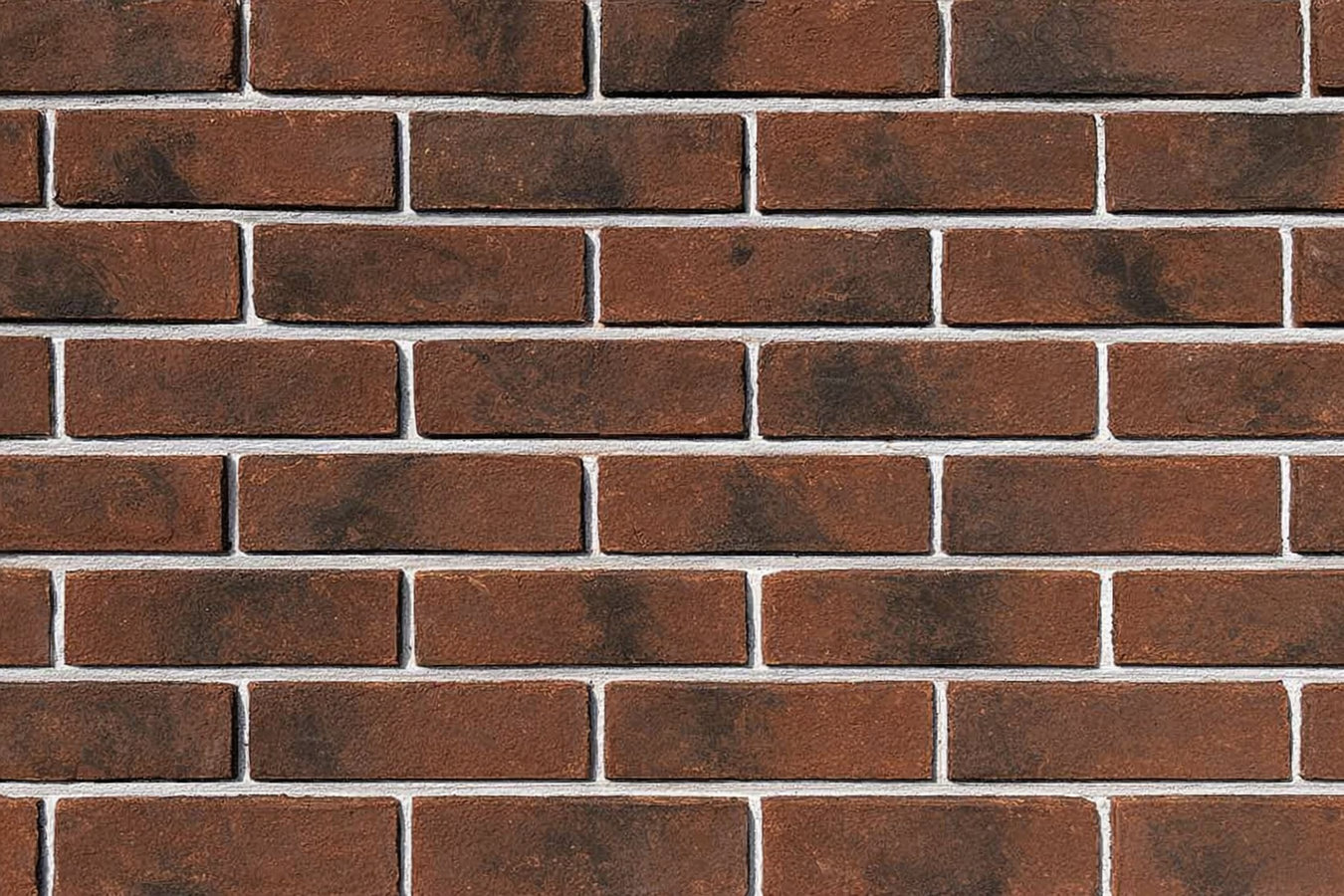
Brick wall installation in Jurupa Valley starts with a concrete footing poured below grade, then proceeds course by course with each brick set in mortar and steel reinforcement placed where seismic requirements apply - most standard residential boundary or garden walls take a crew two to five days of brick work after the footing cures, with a total project timeline of four to six weeks once permits are factored in.
The footing is the part that makes or breaks the project. Jurupa Valley sits on clay-heavy soil that swells in wet winters and contracts in dry summers - and that annual cycle is exactly what pushes poorly footed walls out of alignment. A mason who knows this part of the Inland Empire digs to stable soil below the active clay layer, sizes the footing for local conditions, and includes seismic reinforcement without being asked. If you are also considering a brick repair on an existing section of wall at the same time, we can assess both in one visit and give you a clear comparison of repair versus full replacement costs.
Brick gives you privacy and noise reduction that wood fencing simply cannot match over the long term. Wood warps, fades, and rots in the Inland Empire's heat and UV exposure. A properly built brick wall needs almost no maintenance - an annual visual check of the mortar joints and an occasional hose-down is about all it asks of you for decades.
A wall that tilts away from vertical or shows cracks running diagonally through the mortar joints has likely shifted - often because the footing was not deep enough for local soil conditions. In Jurupa Valley's clay-heavy areas, this kind of movement is more common than homeowners expect, especially in walls built before current code requirements. A leaning wall is a safety concern that gets worse the longer it is left.
If soil is washing downhill after rain, pooling at the base of a slope, or eroding away from fence posts, a brick retaining wall can hold that ground permanently. Jurupa Valley's dry summers followed by occasional heavy winter rains create exactly the wet-dry cycle that accelerates erosion on sloped lots. Brick is one of the most durable long-term solutions for this problem.
Those white stains are mineral salts working their way out through the brick, usually because water is getting in somewhere it should not. Left alone, this process weakens mortar over time. If the staining is widespread or mortar is crumbling in multiple spots, a full rebuild may be more cost-effective than repeated patching.
Many Jurupa Valley lots - particularly in older neighborhoods and newer subdivisions - have no rear or side wall, leaving the yard open to neighbors or the street. A brick wall provides privacy, reduces noise, and adds a finished look that holds up to the Inland Empire's sun and heat far better than wood fencing does.
We build new brick walls from the footing up - property boundary walls, garden and raised planting bed walls, retaining walls, and decorative accent features. Every project starts with a concrete footing poured below grade on stable, undisturbed soil. We size footings for Jurupa Valley's clay conditions, not just the bare minimum the code requires. Steel reinforcement and filled mortar joints are standard where seismic requirements apply - which in this part of Riverside County covers essentially every wall over a certain height. For homeowners who want durable outdoor living space, stone masonry is another option we can discuss at the same estimate visit if you want to compare the look and cost of brick versus natural stone.
Brick compares well to concrete block for visible boundary and garden walls where appearance matters. Concrete block is faster to build and often less expensive, but it typically needs a stucco or paint finish to look complete. Brick comes out of the oven with its finished surface and tends to hold its look - and its value - in established residential neighborhoods. Many HOAs in the Inland Empire specifically prefer or require brick for visible perimeter walls. The Brick Industry Association is the national resource for brick specifications and technical standards if you want to dig deeper into material comparisons.
Suits homeowners who want permanent privacy and noise reduction that outlasts wood fencing without annual maintenance headaches.
Suits homeowners redesigning outdoor space who want a durable, attractive edge that will not rot, warp, or fade in the summer heat.
Suits homeowners with sloped lots where soil movement and erosion need a permanent structural solution.
Suits homeowners who want to define patio spaces or add a classic masonry feature that complements the home's exterior.
Jurupa Valley incorporated in 2011 and runs its own Community Development Department - which means permits here go through a different office than the Riverside County building services desk that neighboring unincorporated areas use. Knowing which permit office handles your address is the first step in getting a project started correctly, and it is something a contractor who has never worked in Jurupa Valley may not realize until it delays your start date. Beyond permits, the city's clay-heavy soil and the seismic requirements that apply throughout the Inland Empire mean that footing design and wall reinforcement are not details you can skip and patch later. The California Geological Survey maps the seismic hazard zones that govern reinforcement requirements throughout the region.
We work with homeowners throughout Jurupa Valley, including the communities served from Ontario and across the border into Norco. The 1990s and 2000s planned communities in this area often have HOA guidelines covering brick color, wall height, and cap style. We know what those communities typically require and can walk you through the approval process before a single brick is ordered.
We visit your property to measure the area, look at the slope and soil, and talk through your options. You leave with a written quote that breaks down materials and labor - not just a single number you cannot evaluate.
If your project needs a city permit - common for retaining walls and taller boundary walls - we submit the application to Jurupa Valley's Community Development Department on your behalf. We also advise on HOA documentation if your neighborhood requires approval before work begins.
Before the first brick goes down, we mark the wall line, dig the footing trench to the depth your soil requires, and pour the concrete base. Footing preparation usually takes one day for a standard residential wall. Your contract specifies exactly what needs to be cleared from the work area.
We lay bricks course by course, include seismic reinforcement where required, and finish the top with a cap that protects the wall from rain. For permitted projects, the city inspector verifies the finished wall - we coordinate that visit so you do not have to track down the city yourself.
Free on-site visit, written quote, no obligation. We respond within 1 business day.
(951) 474-5722Clay soil that swells in winter and shrinks in summer has pushed over more than a few walls in this area. We dig every footing to reach stable ground below the active clay layer - not just the minimum the code requires - so your wall stays plumb for decades rather than starting to lean after five years.
Southern California's seismic activity means taller masonry walls must include steel rebar and filled concrete cores. We build to California's seismic requirements on every eligible project and pull every required permit, so your wall is documented, inspected, and fully legal.
Jurupa Valley has its own Community Development Department separate from Riverside County, and we know the local permit timelines and inspection requirements. We handle the application from start to finish so you never have to navigate city bureaucracy on your own.
Many Jurupa Valley subdivisions built in the 1990s and 2000s have HOA rules about wall height, brick color, and cap style. We have worked in enough of these neighborhoods to help you understand what is likely to get approved before a single brick is ordered - saving you from a costly redesign.
California requires masonry contractors doing work over $500 to hold a valid state license, and the California Contractors State License Board lets you check any contractor in about 30 seconds. Our license is active, our insurance is current, and we never ask for more than the legal deposit maximum before work begins. Combined with footing designs built for local soil and a permit process we manage end to end, that is why homeowners in Jurupa Valley call us when they want a wall done right the first time.
Compare brick to natural stone for boundary walls, garden features, and retaining applications - we can quote both options at the same on-site visit.
Learn MoreIf an existing brick wall has crumbling mortar or damaged faces, targeted repair may extend its life significantly before a full replacement is necessary.
Learn MoreWe handle the permits, the prep, and the cleanup - contact us now before the summer heat tightens the schedule.